
Fluorescent Nanobeads
Eu3+ rare-earth chelate fluorescent nanobeads with 365 nm excitation, 610 nm emission, COOH/NH2/SA surface groups and customizable 100-800 nm particle sizes.
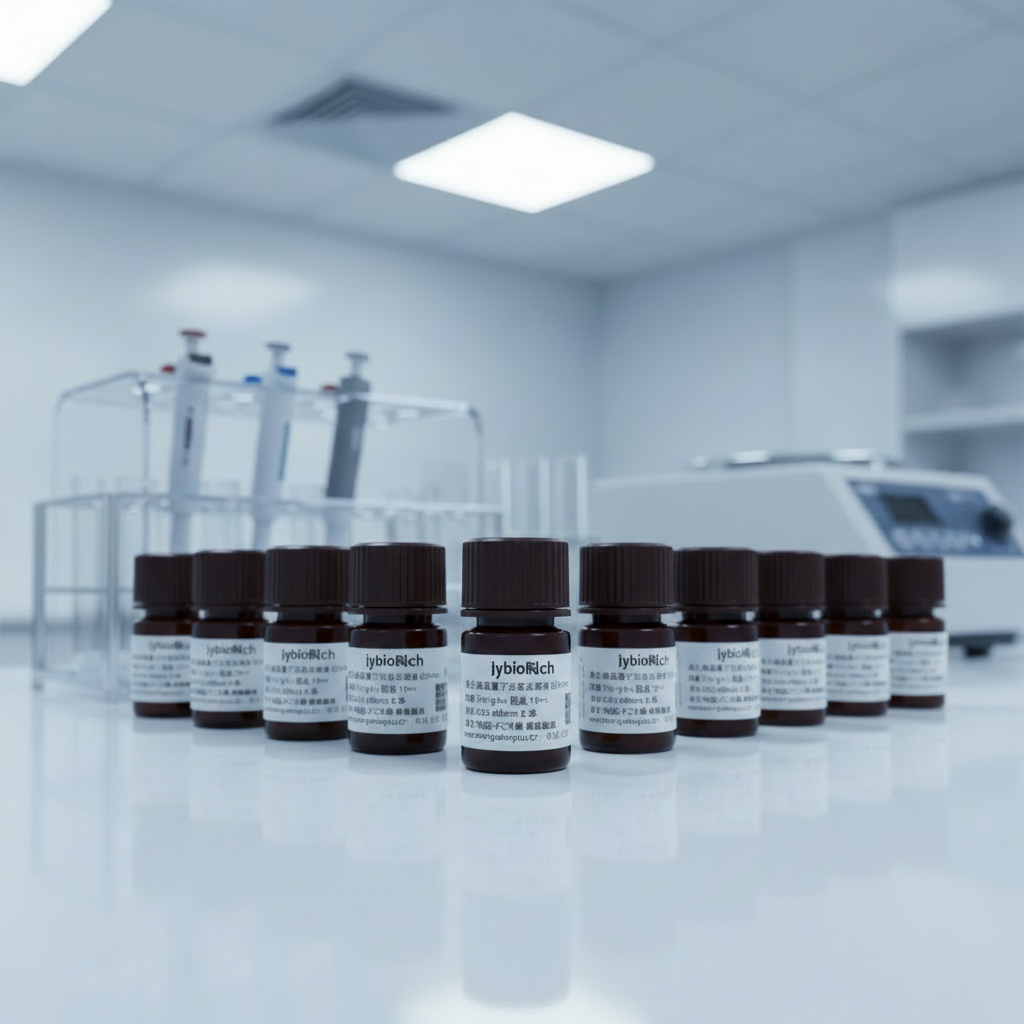
Product Profile
Eu3+ rare-earth chelate fluorescent nanobeads with 365 nm excitation, 610 nm emission, COOH/NH2/SA surface groups and customizable 100-800 nm particle sizes.
365 nm 激发,610 nm 发射,适用于时间分辨荧光免疫层析和 TRFIA 应用。
型号可选 FNBE-200 / FNBE-300 / FNBE-500,100-800 nm 粒径可定制。
支持 COOH、NH2、SA 及定制表面基团,便于抗体、抗原或链霉亲和素体系偶联。
Specifications & Notes
| Models | FNBE-200 / FNBE-300 / FNBE-500, with customizable 100-800 nm particle size. |
|---|---|
| Surface groups | COOH / NH2 / SA / customized groups for different coupling strategies. |
| Optical profile | 365 nm excitation and 610 nm emission, with a large Stokes shift to reduce background interference. |
| Storage and package | Store at 2-8°C protected from light; available in 0.5 / 1 / 5 mL packages. |
Application & Selection
Use scenario
For time-resolved fluorescence lateral flow, TRFIA, multiplex assays and substitution evaluation.
Selection focus
Please provide sample type, assay platform, target sensitivity, current material combination and preferred specification for faster compatibility review.
Project support
JY Biotech can support sample discussion, substitution evaluation, method validation and supply coordination.
Communication
Specification, sample quantity, package, lot, lead time and documentation can be discussed according to the project stage.
Labeling and Stability Notes
Fluorescent nanobead projects should evaluate surface group, coupling condition, blocking system, storage buffer and conjugate pad release together. For weak signal, high background, aggregation or difficult resuspension, troubleshoot beads, labeling process and strip materials as one system.
Before coupling
Check particle size, surface group, buffer pH, ionic strength and centrifugation/resuspension conditions.
After coupling
Observe background, aggregation, ligand loss, storage buffer stability and signal decay after storage.
Strip validation
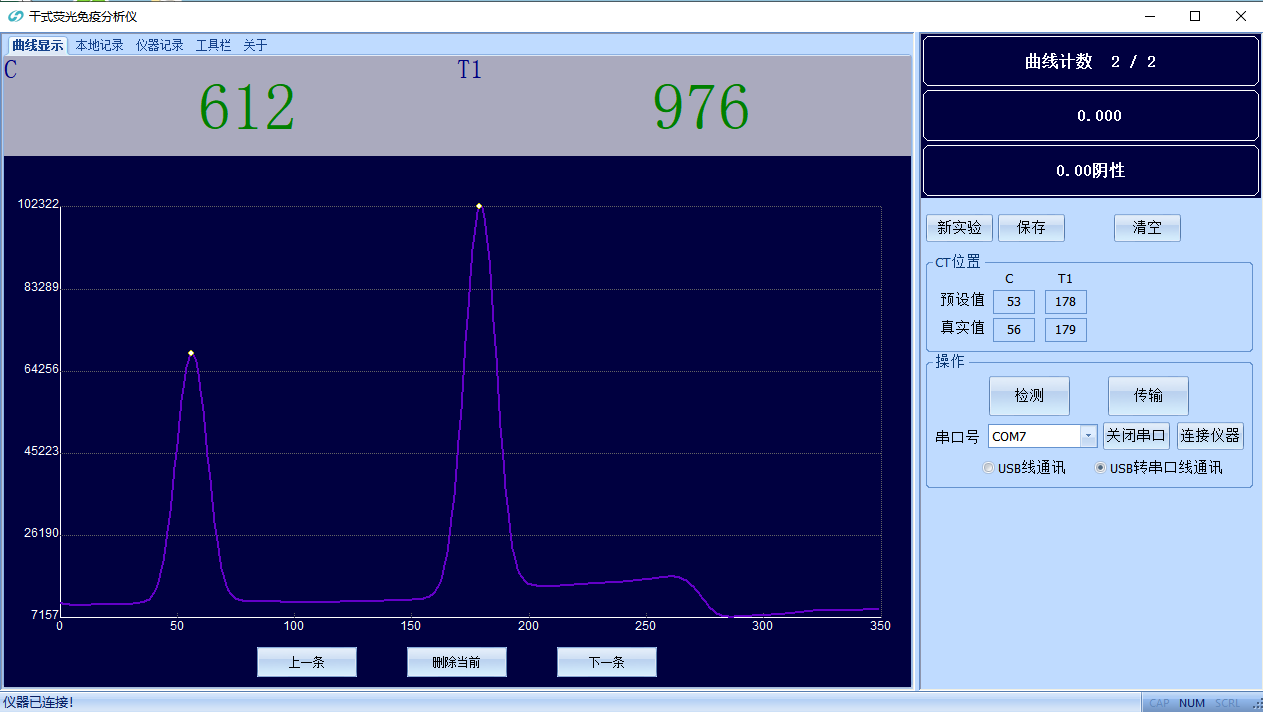
Validate sensitivity and background with treatment buffer, conjugate pad, NC membrane and reader window.
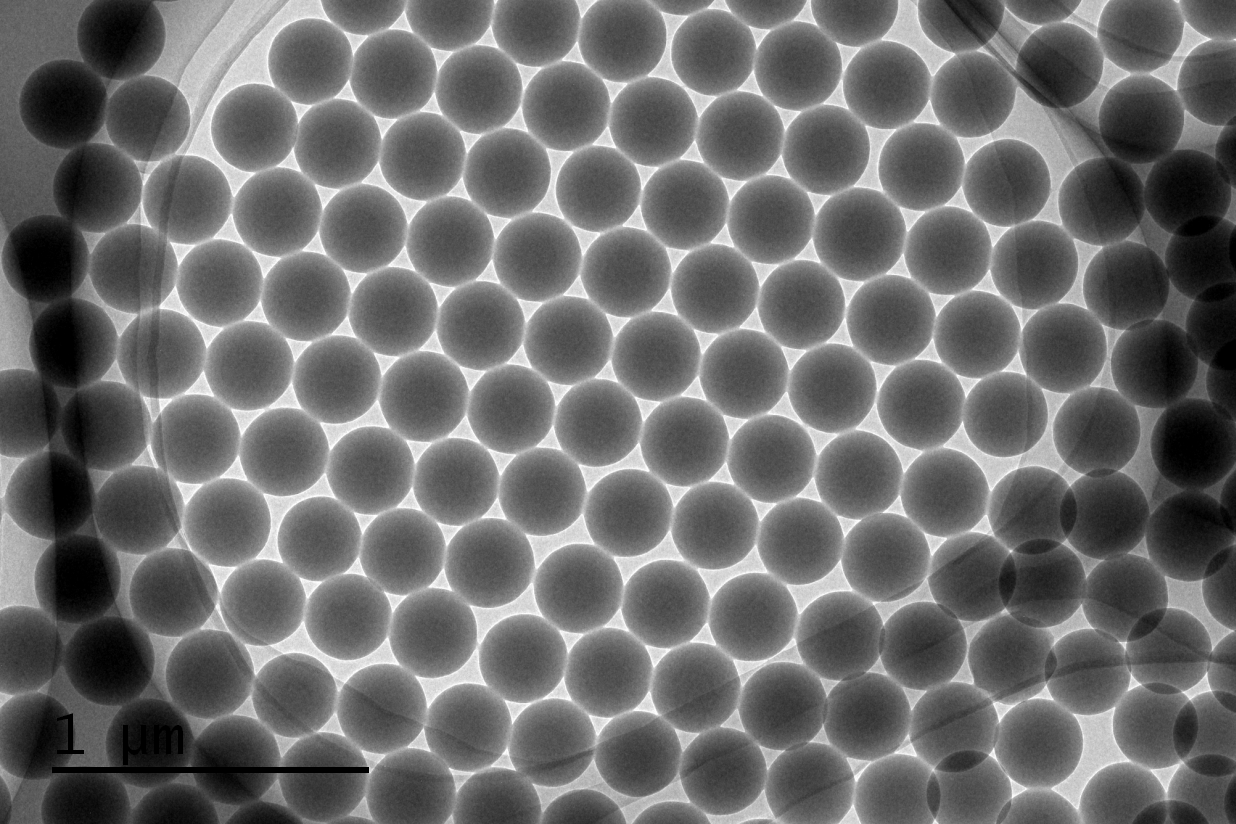
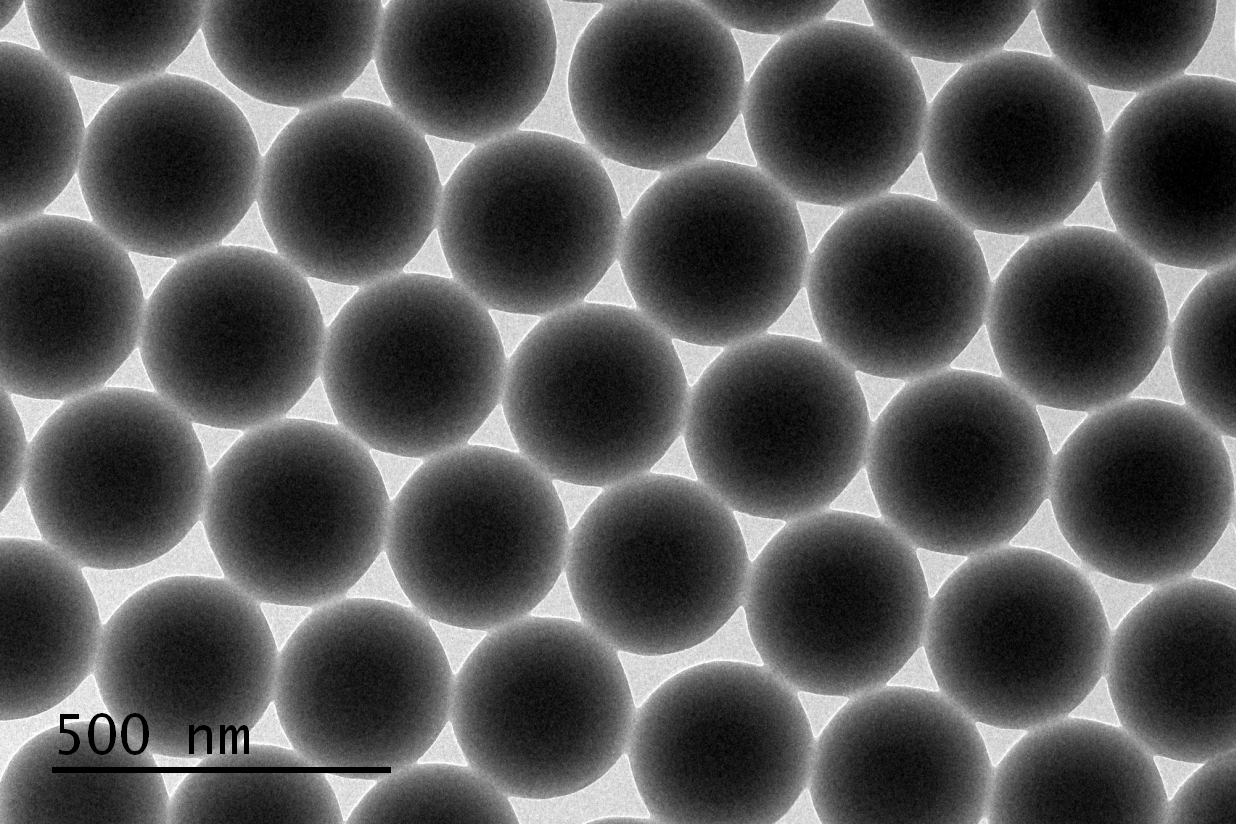
Product Images
RELATED PRODUCTS